opening, at the emergency clinic
The Worms
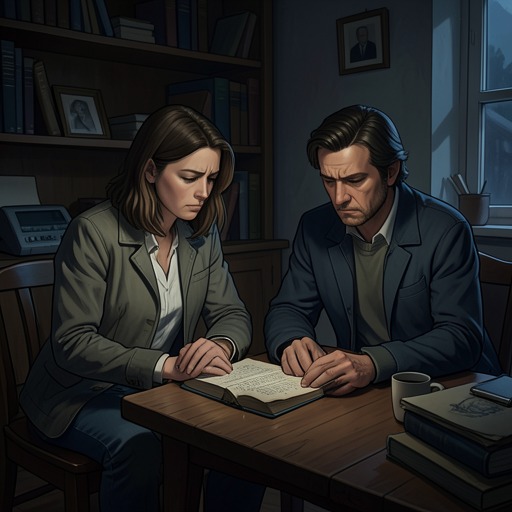
In darkness, [Amanda](entity:character-recall-character-amanda-f7c90eb37305) hears [David](entity:character-recall-character-david-a0465b0b2f3d) say that the bugs are everywhere in the body. He insists that they must patiently reconstruct the exact moment the bugs begin, turning her dying recollections into an urgent investigation
a few days after Amanda and Nina arrive for vacation
Carla’s Confession
Back in the yard of [Amanda and Nina’s vacation house](entity:location-recall-location-amanda-and-nina-s-va-604621eaff46), [Carla](entity:character-recall-character-carla-d5c0d239d6dd) confesses that she no longer considers [David](entity:character-recall-character-david-a0465b0b2f3d) her son and fears [Amanda](entity:character-recall-character-amanda-f7c90eb37305) will not let him play with [Nina](entity:character-recall-character-nina-507986764de1). Amanda listens as Carla begins recounting the catastrophe that changed her child.
about six years before the vacation
Carla’s Earlier Life
[Carla](entity:character-recall-character-carla-d5c0d239d6dd) recalls [David](entity:character-recall-character-david-a0465b0b2f3d) as a beloved, lively young child who delighted in trips to the playground. She describes [Omar](entity:character-recall-character-omar-38e159fe0cb5)’s horse-breeding work and the hopes they attached to their borrowed stallion, establishing the ordinary family life that poisoning and migration would destroy.
about six years before the vacation
The Stallion Escapes
While [Omar](entity:character-recall-character-omar-38e159fe0cb5) watches a valuable borrowed stallion, [Carla](entity:character-recall-character-carla-d5c0d239d6dd) discovers that it has disappeared from the pasture. Carrying [David](entity:character-recall-character-david-a0465b0b2f3d), she searches the property and finds the horse drinking at a stream, where David has knelt and put his fingers in the water.
shortly after the stallion is found
The Dead Bird
[Carla](entity:character-recall-character-carla-d5c0d239d6dd) sees a dead bird beside [David](entity:character-recall-character-david-a0465b0b2f3d) and hurries him away from the stream while leading the horse back uphill. She does not tell [Omar](entity:character-recall-character-omar-38e159fe0cb5) about the scare, believing the danger has passed, but the detail becomes the first clue to the poisoning that has already begun.
the morning after the stream incident
The Stallion Falls Ill
The stallion is found gravely ill, its eyes and mouth swollen and its heart racing. [Carla](entity:character-recall-character-carla-d5c0d239d6dd) recognizes that whatever poisoned the horse may also have harmed [David](entity:character-recall-character-david-a0465b0b2f3d), who drank from the same stream, and retreats with him to pray rather than wait for distant medical help.
later that morning
The Green House
Desperate to save [David](entity:character-recall-character-david-a0465b0b2f3d), [Carla](entity:character-recall-character-carla-d5c0d239d6dd) carries him to the local healer at the Green House. The healer diagnoses poison without being told about the horse and warns that David’s heart will be attacked; she says he has little time and offers a dangerous alternative to certain death.
at the Green House, the day David is poisoned
The Migration Proposal
The healer proposes a soul migration: [David](entity:character-recall-character-david-a0465b0b2f3d)’s spirit could be moved into a healthy body, taking some poison with it, while an unknown spirit would enter his sick body. [Carla](entity:character-recall-character-carla-d5c0d239d6dd) is told that both bodies would remain altered and that she would still be responsible for David’s original body.
immediately after the migration proposal
Carla Agrees
As [David](entity:character-recall-character-david-a0465b0b2f3d) burns with fever and weakens, [Carla](entity:character-recall-character-carla-d5c0d239d6dd) agrees to the healer’s plan despite not knowing where his spirit will go. Her choice is driven by the conviction that any chance of keeping him alive is better than watching him die.
the day of David’s poisoning
The Ritual
The healer takes [David](entity:character-recall-character-david-a0465b0b2f3d) into a dark room with a washbasin, water, hemp rope, and a fan, instructing [Carla](entity:character-recall-character-carla-d5c0d239d6dd) to remain still so that nothing unprepared for the migration will shift. Carla waits for hours in the kitchen, hearing nothing, while the healer performs the procedure out of sight.
a few hours after the ritual
The Changed Boy
The healer brings [David](entity:character-recall-character-david-a0465b0b2f3d) back to the kitchen, but he walks uncertainly, his hands dirty and marks circling his wrists. [Carla](entity:character-recall-character-carla-d5c0d239d6dd) cannot bring herself to embrace him; the healer says the migration succeeded and the poison is divided between two bodies, giving both a chance to survive.
after the migration, when David is about four and a half
David Becomes a Stranger
[Carla](entity:character-recall-character-carla-d5c0d239d6dd) calls the surviving boy her new [David](entity:character-recall-character-david-a0465b0b2f3d) and a monster, describing him as changed in ways she cannot accept. [Amanda](entity:character-recall-character-amanda-f7c90eb37305) is shaken by the story, while her own daughter wanders near the pool, bringing her fear of losing a child into sharper focus.
later that day
Carla Leaves the Yard
[Carla](entity:character-recall-character-carla-d5c0d239d6dd) leaves [Amanda](entity:character-recall-character-amanda-f7c90eb37305)’s yard without her sandals, while [Nina](entity:character-recall-character-nina-507986764de1) clings to Amanda at the screen door. Amanda watches Carla disappear and feels the protective thread between herself and Nina tighten, a sensation she calls the [Rescue distance](entity:expression-recall-expression-rescue-distance-70a0fd32163d).
during Amanda and Nina’s first days at the vacation house
The Rescue Distance
[Amanda](entity:character-recall-character-amanda-f7c90eb37305) explains that she measures the distance between herself and [Nina](entity:character-recall-character-nina-507986764de1) by how quickly she could reach her in danger. Her mother taught her to keep loved ones within rescue distance because disaster could arrive without warning, and Amanda has carried that vigilance into motherhood.
after Carla’s first visit
Market Day
[Amanda](entity:character-recall-character-amanda-f7c90eb37305) takes [Nina](entity:character-recall-character-nina-507986764de1) to the town market and shops for food before they walk to House & Home for a pool toy. Their lighthearted outing gives way to an encounter with a severely disabled girl, which makes Amanda think of [David](entity:character-recall-character-david-a0465b0b2f3d)’s changed body and [Carla](entity:character-recall-character-carla-d5c0d239d6dd)’s account of the migration.
during the market outing
The Girl at House & Home
A cashier calls for a girl named Abigail, whose short leg and unusually large forehead startle [Nina](entity:character-recall-character-nina-507986764de1) and [Amanda](entity:character-recall-character-amanda-f7c90eb37305). Amanda wonders whether the girl's condition is connected to the same contamination that altered [David](entity:character-recall-character-david-a0465b0b2f3d), while David refuses to let her dwell on the possibility
the afternoon after the market outing
The Green House Walk
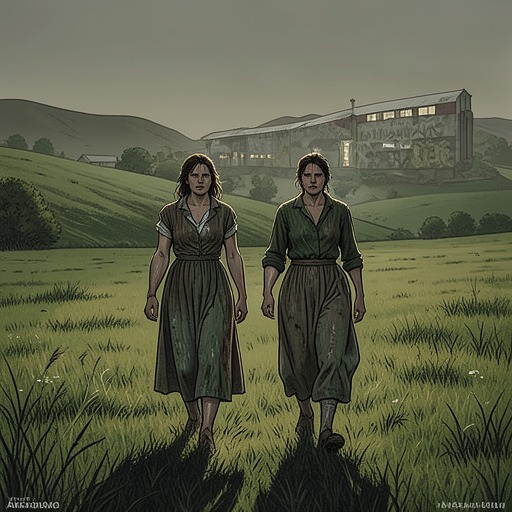
Unable to assess the danger surrounding [Carla](entity:character-recall-character-carla-d5c0d239d6dd) and [David](entity:character-recall-character-david-a0465b0b2f3d) from a distance, [Amanda](entity:character-recall-character-amanda-f7c90eb37305) walks alone to find the Green House while [Nina](entity:character-recall-character-nina-507986764de1) sleeps. She studies the fields and houses, then turns back after a three-legged dog appears, taking the strange sight as a warning.
after Amanda returns from the Green House walk
David Enters the House
[Carla](entity:character-recall-character-carla-d5c0d239d6dd) meets [Amanda](entity:character-recall-character-amanda-f7c90eb37305) outside and warns that [David](entity:character-recall-character-david-a0465b0b2f3d) is inside the vacation house. Amanda sees [Nina](entity:character-recall-character-nina-507986764de1) at an upstairs window and rushes indoors with Carla, terrified that the boy may have reached her daughter.
moments after Carla’s warning
Amanda Meets David
[Amanda](entity:character-recall-character-amanda-f7c90eb37305) finds [David](entity:character-recall-character-david-a0465b0b2f3d) standing alone in a bedroom, his skin marked with pale spots, and demands to know where [Nina](entity:character-recall-character-nina-507986764de1) is. Nina appears with [Carla](entity:character-recall-character-carla-d5c0d239d6dd), unharmed, and Amanda angrily orders Carla and David out, still convinced that Carla’s fears are delusions.
shortly after Amanda orders Carla to leave
The Sandals in the Pool
[David](entity:character-recall-character-david-a0465b0b2f3d) appears in the yard and throws [Carla](entity:character-recall-character-carla-d5c0d239d6dd)’s sandals, towel, and scarf into the pool. In the sunlight, [Amanda](entity:character-recall-character-amanda-f7c90eb37305) notices the spots covering his skin and sees how much he resembles Carla; once he leaves, she decides that the house and town no longer feel safe.
that night
The Nightmare
[Amanda](entity:character-recall-character-amanda-f7c90eb37305) dreams that [Nina](entity:character-recall-character-nina-507986764de1) sits with Amanda’s husband and insists she is [David](entity:character-recall-character-david-a0465b0b2f3d), speaking and behaving unlike herself. The dream crystallizes Amanda’s fear that David’s altered identity could somehow take possession of Nina, and it deepens her resolve to leave.
before dawn the next morning
Amanda Packs to Leave
[Amanda](entity:character-recall-character-amanda-f7c90eb37305) wakes from the nightmare and begins packing, convinced she must take [Nina](entity:character-recall-character-nina-507986764de1) away before anything else happens. She keeps Nina close, closes the shutters, and recognizes that her fear has begun to draw her into [Carla](entity:character-recall-character-carla-d5c0d239d6dd)’s worldview.
at dawn, before leaving town
The Decision to Say Goodbye
Although [Amanda](entity:character-recall-character-amanda-f7c90eb37305) knows that leaving immediately is safest, she decides she must apologize to [Carla](entity:character-recall-character-carla-d5c0d239d6dd) and reassure her before going. [David](entity:character-recall-character-david-a0465b0b2f3d) warns that visiting Carla is a mistake, but Amanda believes she cannot leave with a clear conscience unless she speaks to her.
early morning, on the way out of town
The Empty House
[Amanda](entity:character-recall-character-amanda-f7c90eb37305) drives with [Nina](entity:character-recall-character-nina-507986764de1) to [Carla](entity:character-recall-character-carla-d5c0d239d6dd)’s home, finds it empty, and takes that as a sign that she can leave without confronting her. They continue to [Sotomayor’s farm](entity:location-recall-location-977d1ada3346), where Amanda hopes to find Carla and settle their strained friendship before returning to the city.
early morning at Sotomayor’s farm
Amanda Finds Carla
[Amanda](entity:character-recall-character-amanda-f7c90eb37305) tells [Carla](entity:character-recall-character-carla-d5c0d239d6dd) she is sorry for shouting and that she plans to return to the capital. Carla’s hurt expression lifts, and she proposes showing Amanda [Omar](entity:character-recall-character-omar-38e159fe0cb5)’s abandoned stables, drawing her into a visit that delays their departure.
around 8:45 a.m.
The Drums Arrive
A truck arrives at [Sotomayor’s farm](entity:location-recall-location-977d1ada3346) carrying numerous large plastic drums. Workers unload them into a shed while [Nina](entity:character-recall-character-nina-507986764de1) sits in the grass and watches; [David](entity:character-recall-character-david-a0465b0b2f3d) identifies the drums as the crucial detail [Amanda](entity:character-recall-character-amanda-f7c90eb37305) must notice.
shortly after the drums are unloaded
The Wet Clothes
[Nina](entity:character-recall-character-nina-507986764de1) notices that her clothes are soaked, and [Amanda](entity:character-recall-character-amanda-f7c90eb37305) finds that her own clothing is wet too. She assumes it is dew and allows [Carla](entity:character-recall-character-carla-d5c0d239d6dd) to lead them toward the stables, missing the first physical sign that she and Nina have encountered contamination.
during the walk to Omar’s stables
The Burning Hands
As [Amanda](entity:character-recall-character-amanda-f7c90eb37305) speaks with [Carla](entity:character-recall-character-carla-d5c0d239d6dd), [Nina](entity:character-recall-character-nina-507986764de1)’s hands begin to sting and burn. Carla gives her cookies, and Nina runs off again; the contact with the contaminated ground has started to affect both mother and daughter, but Amanda does not yet understand the danger.
later that morning
The Stables and the Well
At [Omar](entity:character-recall-character-omar-38e159fe0cb5)’s ruined stables, [Nina](entity:character-recall-character-nina-507986764de1) runs around an old well while [Amanda](entity:character-recall-character-amanda-f7c90eb37305) and [Carla](entity:character-recall-character-carla-d5c0d239d6dd) sit beneath trees amid the soy fields. Amanda briefly enjoys the peaceful setting and considers staying longer, even as the earlier dampness and burning hands remain unexplained.
while the three sit by the well
Carla Describes the Fever
[Carla](entity:character-recall-character-carla-d5c0d239d6dd) explains that [David](entity:character-recall-character-david-a0465b0b2f3d)’s fever took days to subside after the migration and that he spoke strangely afterward, repeatedly answering questions with “That is not important.” [Amanda](entity:character-recall-character-amanda-f7c90eb37305) begins to understand that the altered boy’s behavior has frightened Carla as much as his spots have.
after David’s fever subsides
David Buries the Duck
[Carla](entity:character-recall-character-carla-d5c0d239d6dd) recounts finding young [David](entity:character-recall-character-david-a0465b0b2f3d) crying as he buried a dead duck with a broken toy shovel. She could not tell what had happened to the animal, but the child’s grief and unsettling stillness convinced her that something about him had changed.
the day after David buries the first duck
The Ducks Die
[Carla](entity:character-recall-character-carla-d5c0d239d6dd) sees three more dead ducks in the yard and watches [David](entity:character-recall-character-david-a0465b0b2f3d) bury them one by one. She wonders whether he killed them, but he insists that burying is not the same as killing, leaving the cause of the deaths unresolved.
several days after the first duck’s burial
The Duck Returns
[Carla](entity:character-recall-character-carla-d5c0d239d6dd) witnesses a living duck emerge from the wheat and face [David](entity:character-recall-character-david-a0465b0b2f3d) before collapsing dead. David remains motionless as the animal dies, suggesting a mysterious connection between his presence and the unexplained deaths around him.
after the ducks die
The Dog’s Death
[Carla](entity:character-recall-character-carla-d5c0d239d6dd) says a dog belonging to Mr. Geser came to her stairs and stayed there for hours before collapsing. [David](entity:character-recall-character-david-a0465b0b2f3d) later dragged it into the yard and buried it, repeating the pattern of grief and burial that followed the deaths of the ducks.
some time after the dog’s death
The Horses Disappear
[Omar](entity:character-recall-character-omar-38e159fe0cb5) wakes [Carla](entity:character-recall-character-carla-d5c0d239d6dd) before dawn and says the horses are gone, leaving only a frightened foal in the pasture. He and Carla had previously found [David](entity:character-recall-character-david-a0465b0b2f3d)’s room open at night and sometimes discovered him missing, but neither can explain the vanished horses.
after David’s nighttime disappearances begin
Omar Locks David In
Afraid of finding [David](entity:character-recall-character-david-a0465b0b2f3d) roaming outside at night, [Omar](entity:character-recall-character-omar-38e159fe0cb5) begins locking him in his bedroom until morning. David pounds on the door and calls [Carla](entity:character-recall-character-carla-d5c0d239d6dd) by her name instead of calling her mother, deepening the distance between them.
during the visit to the stables
Carla Longs for Nina
[Carla](entity:character-recall-character-carla-d5c0d239d6dd) tells [Amanda](entity:character-recall-character-amanda-f7c90eb37305) that she wishes she could begin another life with a daughter like [Nina](entity:character-recall-character-nina-507986764de1), someone she could care for and who would allow her closeness. Amanda is touched by the confession, while Nina continues playing near the well and the danger of the poisoning advances unnoticed.
late morning near the well
Amanda Collapses
[Amanda](entity:character-recall-character-amanda-f7c90eb37305) grows weak and sinks to the ground as [Carla](entity:character-recall-character-carla-d5c0d239d6dd) checks on her and [Nina](entity:character-recall-character-nina-507986764de1) watches nearby. Carla lays Amanda’s bag beneath her head, asks what she ate, and tries to determine whether she can hear, while Amanda’s attention slips between the field and the clinic visions.
after Amanda collapses
Carla Gets the Car
[Carla](entity:character-recall-character-carla-d5c0d239d6dd) leaves to bring the car, entrusting [Nina](entity:character-recall-character-nina-507986764de1) with watching over [Amanda](entity:character-recall-character-amanda-f7c90eb37305). Nina lies close to her mother, and Amanda briefly recalls her first night at the vacation house, when she walked outside to inspect every possible danger while Nina slept.
shortly after the collapse
The Drive to the Clinic
[Carla](entity:character-recall-character-carla-d5c0d239d6dd) drives [Amanda](entity:character-recall-character-amanda-f7c90eb37305) and [Nina](entity:character-recall-character-nina-507986764de1) toward the [Rural Emergency Clinic](entity:location-recall-location-e7c5b182e90d). Nina turns pale and sweaty in the back seat, while Amanda’s senses blur and her body alternates between feeling better and worse.
around two hours after leaving Sotomayor’s farm
The Heatstroke Diagnosis
At the [Rural Emergency Clinic](entity:location-recall-location-e7c5b182e90d), a nurse checks [Amanda](entity:character-recall-character-amanda-f7c90eb37305) and [Nina](entity:character-recall-character-nina-507986764de1) and attributes their symptoms to too much sun. She gives each of them a pill and advises rest in a dark room, overlooking the poisoning that is making them progressively weaker.
during the clinic visit
The Nurse’s Children
[Amanda](entity:character-recall-character-amanda-f7c90eb37305) notices a nurse wearing a necklace depicting three children and learns that one of the nurse’s children comes to [the waiting room](entity:location-recall-location-d46bea36383e). [David](entity:character-recall-character-david-a0465b0b2f3d) explains that many children there have been poisoned, some from exposure before birth, connecting the clinic’s routine to the town’s widespread contamination.
as Amanda and Nina leave the clinic
The Mud on Nina’s Hands
[Nina](entity:character-recall-character-nina-507986764de1)’s dirty hand rests on [Amanda](entity:character-recall-character-amanda-f7c90eb37305)’s, and Amanda recognizes that the dried mud and the wet clothes were not caused by dew. The clinic has sent them home with heatstroke pills, but neither mother nor daughter has received treatment for the poison.
around midday
The Return to Carla’s House
[Carla](entity:character-recall-character-carla-d5c0d239d6dd) drives [Amanda](entity:character-recall-character-amanda-f7c90eb37305) and [Nina](entity:character-recall-character-nina-507986764de1) back to her house after the clinic visit. Nina sleeps in the car, and Amanda sees large discolored halos on her dried dress, evidence that the field exposure has left more than ordinary dampness behind.
after the return to Carla’s house
The Graves in the Yard
[Carla](entity:character-recall-character-carla-d5c0d239d6dd) carries [Nina](entity:character-recall-character-nina-507986764de1) inside and helps the weakened [Amanda](entity:character-recall-character-amanda-f7c90eb37305) follow. From the kitchen, Amanda sees twenty-eight graves in the backyard; Carla admits that she watches children their age and fears that the mounds may belong to those she has tried to monitor.
after Carla reveals the graves
Amanda Sleeps on the Sofa
[Amanda](entity:character-recall-character-amanda-f7c90eb37305) collapses onto the sofa and clings tightly to [Nina](entity:character-recall-character-nina-507986764de1) before falling asleep. [Carla](entity:character-recall-character-carla-d5c0d239d6dd) tends to her, while Amanda’s fever and exhaustion pull her deeper into fragmented memories and visions of [David](entity:character-recall-character-david-a0465b0b2f3d)’s family.
during Amanda’s feverish sleep
The Family Watches
[Amanda](entity:character-recall-character-amanda-f7c90eb37305) sees [Carla](entity:character-recall-character-carla-d5c0d239d6dd) searching her purse for a phone number while [Omar](entity:character-recall-character-omar-38e159fe0cb5) sits across from the sofa and watches her and [Nina](entity:character-recall-character-nina-507986764de1). The scene blurs with dreams and waking impressions, but Carla is trying to contact Amanda’s husband as the poisoning worsens.
during Amanda’s clinic visions
The Waiting Room Revealed
[David](entity:character-recall-character-david-a0465b0b2f3d) leads [Amanda](entity:character-recall-character-amanda-f7c90eb37305) through a clinic corridor into a classroom he calls [the waiting room](entity:location-recall-location-d46bea36383e), where children’s names cover the wall. He explains that many patients cannot write or control their bodies, revealing the long-term human cost of contamination in the town.
early the following morning
Nina Wakes Amanda
[Nina](entity:character-recall-character-nina-507986764de1) wakes [Amanda](entity:character-recall-character-amanda-f7c90eb37305) and asks to leave. Though both remain dizzy and weak, Amanda gathers the car keys and slips out with her daughter while [Carla](entity:character-recall-character-carla-d5c0d239d6dd)’s household sleeps, believing escape may still be possible.
early morning, shortly after leaving Carla’s house
The Road Out
[Amanda](entity:character-recall-character-amanda-f7c90eb37305) drives [Nina](entity:character-recall-character-nina-507986764de1) through the sleeping town in search of water. The light hurts her eyes, her body stings as if covered with tiny worms, and she struggles to keep control of the car as the poisoning advances.
early morning, on the town boulevard
The Children Cross
A group of children crosses the road under the supervision of nurses in the same aprons as the clinic staff. [Amanda](entity:character-recall-character-amanda-f7c90eb37305) can barely see them, but [David](entity:character-recall-character-david-a0465b0b2f3d) explains that they are being taken to [the waiting room](entity:location-recall-location-d46bea36383e) and that few children in the area are born healthy.
moments after the children cross
The Disabled Girl Appears
[Nina](entity:character-recall-character-nina-507986764de1) recognizes the girl with the giant head from House & Home standing in front of the car. [Amanda](entity:character-recall-character-amanda-f7c90eb37305), nearly blinded, hears [David](entity:character-recall-character-david-a0465b0b2f3d) say he pushes the girl and the other children onward, suggesting a recurring and troubling role in their movement.
immediately afterward
Amanda Loses Her Sight
[Amanda](entity:character-recall-character-amanda-f7c90eb37305)’s vision turns white as her eyes burn, and she gets out of the car hoping to find water. Unable to see [Nina](entity:character-recall-character-nina-507986764de1), she calls for her and finally instructs the child to ring a house doorbell and ask someone to call her father.
after Amanda collapses near the car
Carla Finds Nina
[Carla](entity:character-recall-character-carla-d5c0d239d6dd) later finds [Amanda](entity:character-recall-character-amanda-f7c90eb37305) back at the [Rural Emergency Clinic](entity:location-recall-location-e7c5b182e90d), feverish and hallucinating [David](entity:character-recall-character-david-a0465b0b2f3d). [Nina](entity:character-recall-character-nina-507986764de1) has been found sitting on a curb several blocks from the car, but Amanda remains too ill to know where her daughter is or what has happened to her.
after Amanda is brought back to the clinic
Carla Seeks the Healer
Convinced that the contamination, [David](entity:character-recall-character-david-a0465b0b2f3d)’s condition, and the deaths and disappearances are connected, [Carla](entity:character-recall-character-carla-d5c0d239d6dd) decides the healer at the Green House must help. She asks [Amanda](entity:character-recall-character-amanda-f7c90eb37305) for agreement, but Amanda is confused and keeps demanding that Carla call her husband.
while Amanda lies feverish at the clinic
Nina’s Migration
[Carla](entity:character-recall-character-carla-d5c0d239d6dd) reveals that [Nina](entity:character-recall-character-nina-507986764de1) was found too sick to survive much longer and that she has taken her to the Green House for a soul migration. She asks [Amanda](entity:character-recall-character-amanda-f7c90eb37305)’s forgiveness, saying she could not know where Nina’s spirit would go, just as she could not choose [David](entity:character-recall-character-david-a0465b0b2f3d)’s destination years earlier.
during Carla’s confession
Amanda Demands Nina’s Return
[Amanda](entity:character-recall-character-amanda-f7c90eb37305) realizes [Carla](entity:character-recall-character-carla-d5c0d239d6dd) is not asking for consent but forgiveness and tries to get out of bed to rescue [Nina](entity:character-recall-character-nina-507986764de1). Fever and pain repeatedly immobilize her as she shouts Nina’s name and begs Carla to tell the healer to leave her daughter as close to home as possible.
moments before Amanda’s death
The Rope Breaks
[Amanda](entity:character-recall-character-amanda-f7c90eb37305) feels the [Rescue distance](entity:expression-recall-expression-rescue-distance-70a0fd32163d) as a rope tightening around her stomach, then senses it break. She clings to the certainty that she is [Nina](entity:character-recall-character-nina-507986764de1)’s mother, but the physical and emotional bond she has relied on can no longer reach her daughter.
at the end of Amanda’s final recollection
The Worms Explained
[David](entity:character-recall-character-david-a0465b0b2f3d) tells [Amanda](entity:character-recall-character-amanda-f7c90eb37305) that he pushes the ducks, the dog, and the horses, and says the poison was always present. The worms are the bodily sensation of poisoning, while the contamination itself predates the individual episodes Amanda has tried to trace.
the final moments at the Rural Emergency Clinic
Amanda’s Death
[Amanda](entity:character-recall-character-amanda-f7c90eb37305)’s pain fades as her body sinks into darkness, and she asks [David](entity:character-recall-character-david-a0465b0b2f3d) to explain what matters before her awareness ends. She dies without learning where [Nina](entity:character-recall-character-nina-507986764de1)’s migrated spirit has gone, leaving the mother-daughter bond severed and the town’s contamination unresolved.
about a month after the poisoning
The Husband Arrives
In [Amanda](entity:character-recall-character-amanda-f7c90eb37305)’s final vision, her husband reaches [Carla’s house](entity:location-recall-location-be2ba2e06405) after she has been treated for more than a month. He seeks answers about [Nina](entity:character-recall-character-nina-507986764de1), but [Omar](entity:character-recall-character-omar-38e159fe0cb5) says he knows nothing and has nothing he can tell him.
during Amanda’s husband’s visit
David in the House
[David](entity:character-recall-character-david-a0465b0b2f3d) appears in the hallway, marked and strange, while [Omar](entity:character-recall-character-omar-38e159fe0cb5) tells [Amanda](entity:character-recall-character-amanda-f7c90eb37305)’s husband that he too wishes he could ask someone what has happened. He points out that David has begun tying objects together with rope, a new behavior that unsettles the two men.
at the end of the husband’s visit
The Silent Fields
[Omar](entity:character-recall-character-omar-38e159fe0cb5) walks [Amanda](entity:character-recall-character-amanda-f7c90eb37305)’s husband outside and asks whether he can hear the horses; the man hears nothing. Omar advises him to leave before rain traps the car in mud, and the husband drives away without taking [David](entity:character-recall-character-david-a0465b0b2f3d) with him.
immediately after Omar’s warning
David Left Behind
[Amanda](entity:character-recall-character-amanda-f7c90eb37305)’s husband finds [David](entity:character-recall-character-david-a0465b0b2f3d) sitting in the back seat of the car, wearing a seat belt and touching [Nina’s stuffed mole](entity:object-recall-object-nina-s-stuffed-mole-7fc1abf69d85) with dirty fingers. He demands that David get out; [Omar](entity:character-recall-character-omar-38e159fe0cb5) unfastens the belt and takes the boy back into the house while the husband leaves alone.
the final image
The Slack Rope
[Amanda](entity:character-recall-character-amanda-f7c90eb37305)’s husband drives toward the congested city without noticing the stalled traffic, smoke, or the fields he has passed. Beyond his awareness, the rope has finally gone slack like a lit fuse, and the contamination’s wider consequences remain poised to erupt.